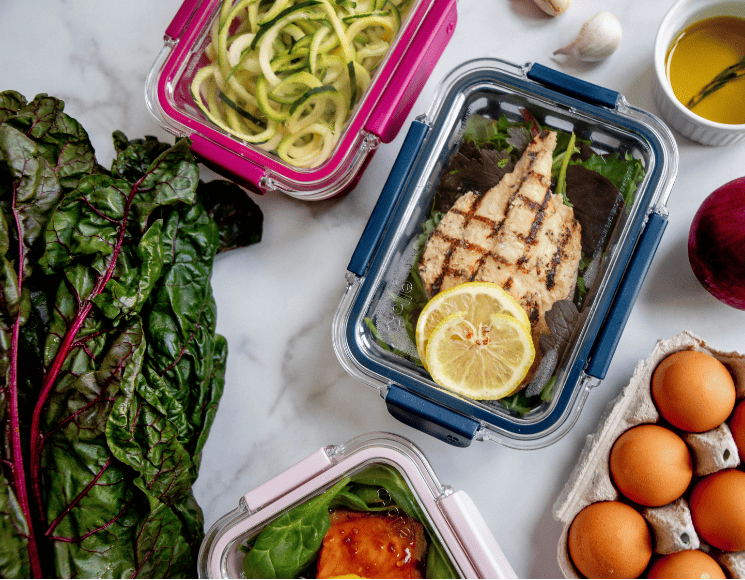
Our nutrition discussion continues (see here for part one and part two) this month with vegetables!
It could probably go without saying, but veggies are really good for you.
How good are they?
I’m glad you asked!
- Veggies are practically bursting with nutrients your body loves: antioxidants, vitamins, minerals, fiber, phytonutrients…
- They’re alkaline producing, which helps to preserve bone and muscle tissue.
- They are relatively high volume and low calorie. No, this is not a ‘weight loss’ bonus, but it is something that makes veggies helpful where regulating energy balance is concerned.
- Did I mention the fiber? Fiber feeds good intestinal bacteria, helps with digestion and excretion of unwanted waste products.
- Also: water! Veggies contain water and thus, contribute to keeping you hydrated. Staying hydrated is good for you, too!
We all know what to do, but…
While we all know that veggies are chock full of nutrients, not everyone gets enough of them. The last statistic I saw suggested that only around 30% of people eat sufficient green vegetables, but those numbers go down from there when we consider other colors of vegetables. Yowza.
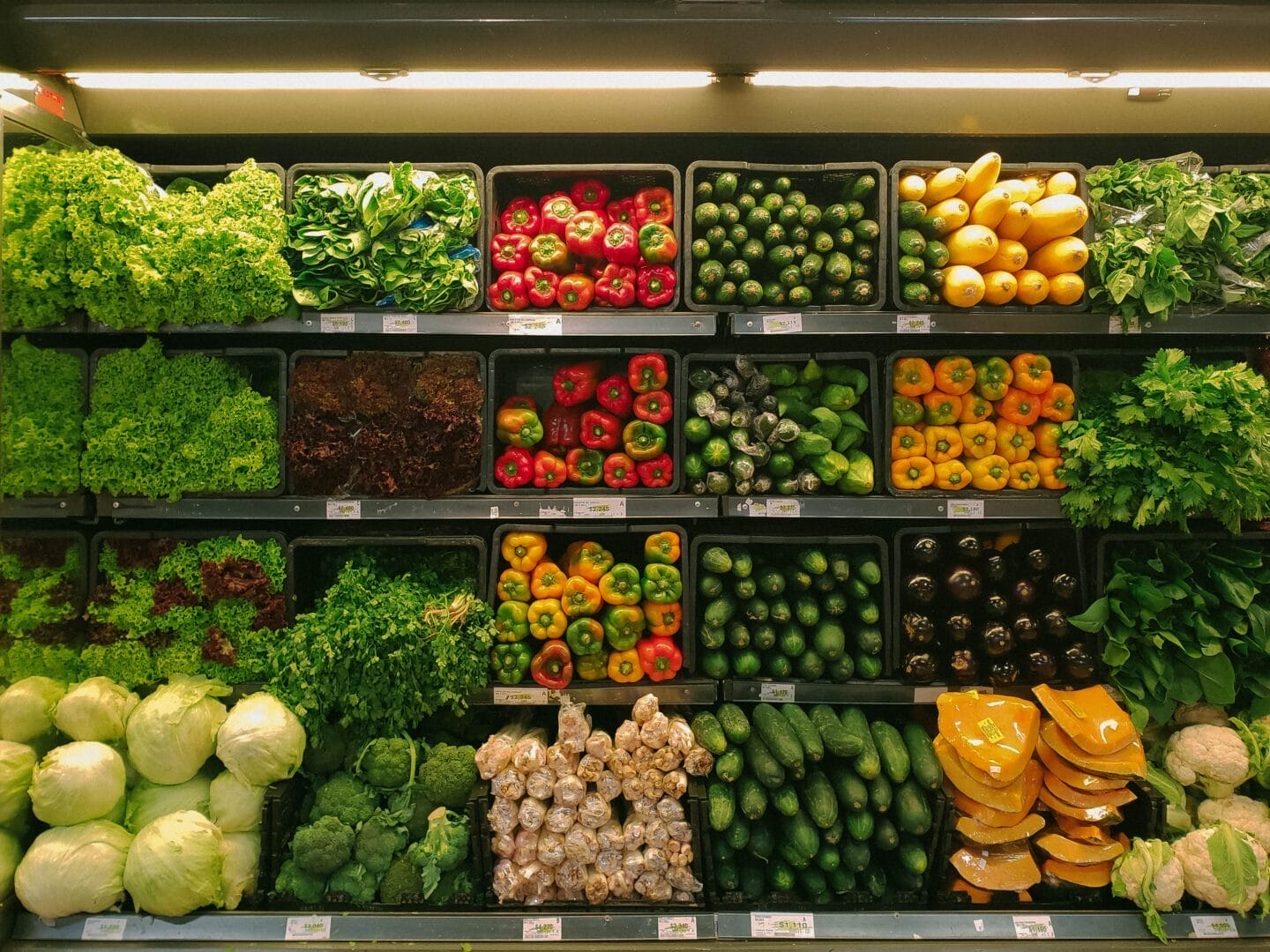
Veggies come in an array of colors: greens, reds, yellows, oranges, purples, blues and whites.
[This also applies to fruits, but we’re going to cover fruits when we talk about carbohydrates.]
And each different color provides different phytonutrients (nutrients that are found exclusively in plants).
Eating plenty of veggies makes your body happy.
Eating a variety of different colored veggies makes your body even happier!

But what if you don’t like veggies?
It’s often the taste that people don’t like: veggies tend to be kind of bitter and/or astringent.
…But sometimes it’s more than that.
Taste can vary from person to person based on genetics, what you were exposed to in the womb, and what you’ve been exposed to over the course of your life (with childhood being particularly relevant here) and whether you’re in the habit of eating more whole vs processed foods (which can play with your tastebuds).
The key to learning to like veggies really does lie in recognizing that it will be a process.
Consider, if you will, a mini-challenge. Or an experiment where the aim is to try new veggies. You know, for funsies. If it helps, you can play loud music to get yourself psyched up for it, do an Instagram post and tag it #veggiebeastmode. (Seriously).
Part one of this experiment would be choosing a new veggie to try.
Then, consider adding a complement to the flavor of your chosen challenge veggie. (Ideas for complements here).
And then, you can soften the experience by adding a little bit of something sweet or fatty.
Troubleshooting veggies
Sometimes, as people begin to eat more veggies, they find that their bodies aren’t as thrilled about it all. Some people can get bloated and gassy, others experience GI upset. None of which are enjoyable or rewarding.
At the risk of oversimplifying, this is often a result of eating most or all of the veggies raw. That can make for a lot of roughage for your system to process.
Conveniently—and again, this is a slight oversimplification because, if this is you, you may have to experiment to find what works best for you—there is a solution:
Cook your veggies!
(Actually, you can cook your veggies even if you do tolerate them well and you’re looking for variety).
Consider lightly steaming them or putting them in a stir-fry.
Eat colorful vegetables at most meals.
Our hand-based measure for veggie serving size (which we got from the folks at Precision Nutrition) is your fist.
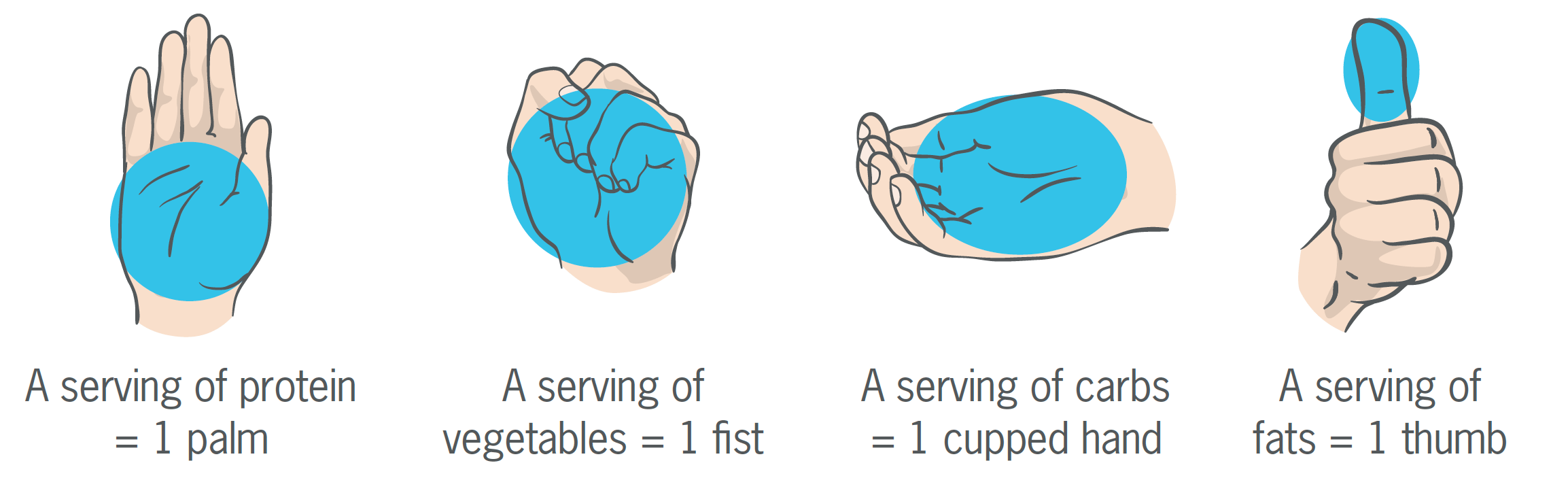
The recommendation here is that you aim to eat 1-2 fist-sized servings of vegetables at most meals. (You could also frame it as aiming for 4-6 servings per day. That may seem to imply or suggest a certain number of meals per day…but it doesn’t).
If that seems like a big jump, remember that we are generally more likely to have success if we aim for a change that seems manageable, if not easy. So if that seems like a big change to make all at once, consider shrinking the change. Maybe start with one meal that you have regularly and add more veggies to that one. Do that for a week or two to build up your confidence and then progress to another meal.
You get the idea.
Questions? Need some help strategizing?
We’re here for you. Feel free to email if you have questions.